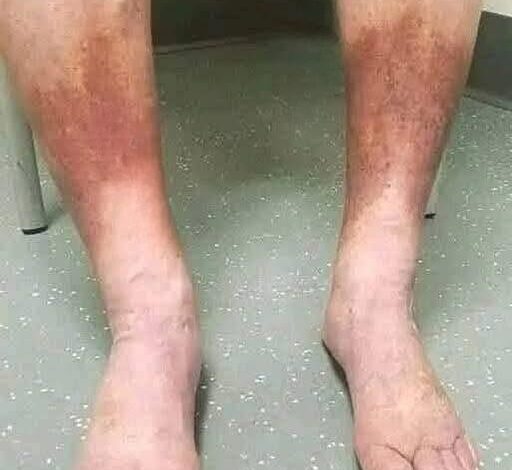
Swelling in the feet and legs (edema) happens when fluid builds up in tissues, often due to gravity, long sitting or standing, heat, or too much salt. Your calf muscles normally help pump fluid back to the heart, but when movement is limited, fluid can pool and cause swelling, tight skin, and discomfort.
Injuries, like twists or strain, can also lead to swelling as the body sends fluid to heal the area.
Sometimes, swelling points to bigger issues. Problems with the heart, kidneys, or liver can affect how fluid is managed, leading to buildup in the legs and feet.
🚨 Watch for warning signs:
- One leg more swollen than the other
- Redness, warmth, or pain
- Skin that stays dented when pressed
- Shortness of breath or chest pain
✅ Simple ways to reduce swelling:
- Elevate your legs daily
- Stay active and walk often
- Stretch if sitting long
- Reduce salt intake
- Consider compression socks
Swelling is often harmless—but if it’s persistent or severe, it’s a signal your body shouldn’t be ignored.