“Get out — you’re dead to me,” my dad spat at Christmas dinner.
Mom shook her head, “Stop embarrassing your sister.” I smiled and said “Okay. Fine. Don’t call me again.” The room fell silent. The next morning… cops, tears, chaos.

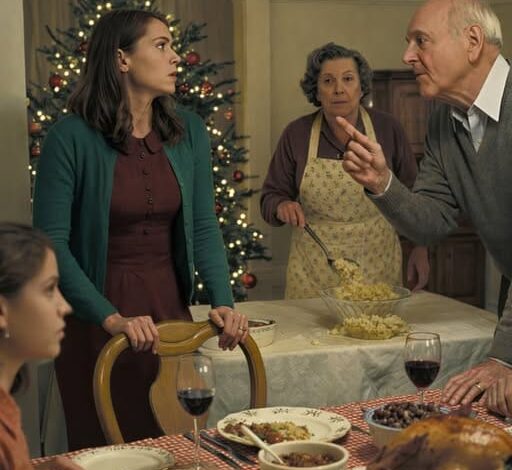
“Get out — you’re dead to me,” my dad spat at Christmas dinner. Mom shook her head. “Stop embarrassing your sister.” I smiled. “Okay. Fine. Don’t call me again.” The room froze. The next morning… cops, tears, chaos.
My dad’s voice had shattered the Christmas music. Lights still twinkled. Mom hovered, mashed potatoes sliding off her good tablecloth. Caroline’s husband reached for the gravy like nothing was happening.
“You’re dead to me, Helen. Don’t come back.”
I didn’t cry. I didn’t beg. I just sipped my Merlot, set it down, and said, “OK. Fine. Don’t call me again.” I stood, shrugged into my coat, and left the house I’d been quietly supporting for years.
No one knew I’d been sending $10,000 every month to Mom—working two jobs to cover bills, prescriptions, and my sister’s failing business—on the condition Dad never found out. He boasted about Caroline while dismissing my work with special-needs kids.
I could spend hours celebrating a child’s first word, but I wouldn’t sit at a table being told I was worthless.
I drove through Michigan snow, ignored their frantic calls, opened my banking app, and saw the scheduled transfer: $10,000 to Eleanor Thomas. My thumb hovered… then hit Cancel.
For the first time in years, I chose me.
The fallout was immediate. Dad called, furious. Mom cried. Caroline begged. But I felt… free. Not rich, not triumphant, just alive. I realized something my family never could: love doesn’t mean sacrificing yourself to make others feel powerful.