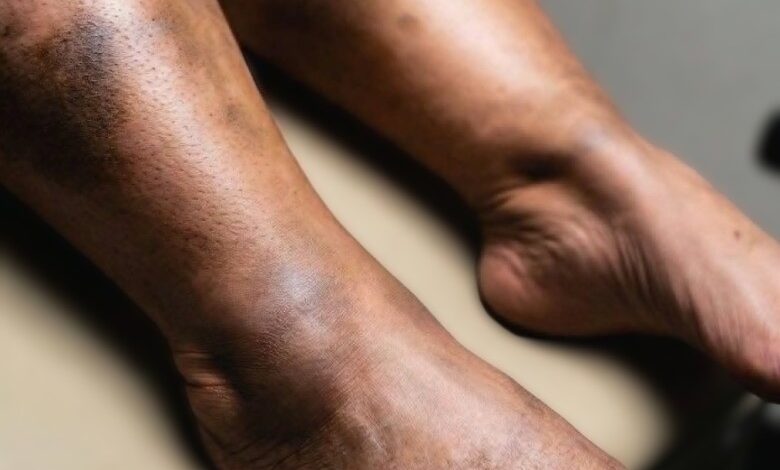
Stasis Dermatitis: Symptoms, Causes, and What You Need to Know
Stasis dermatitis is a skin condition caused by poor blood circulation, most often affecting the lower legs. It develops when blood pools in the veins instead of flowing properly back to the heart, leading to swelling, skin damage, and discomfort.
Common Symptoms
People with stasis dermatitis may experience:
- Skin discoloration
- Itching
- Scaling or flaky skin
- Open sores or ulcers
- Leg swelling
- Calf pain or tenderness
- A heavy, aching feeling in the legs that worsens when standing
In early stages, the skin may become thin and itchy. Over time, scratching can cause cracks and fluid leakage. If untreated, the skin may thicken, harden, darken, and develop painful ulcers—especially around the ankles.
Main Causes
The most common cause is venous insufficiency, a condition where leg veins struggle to send blood back to the heart. Weak vein valves allow blood to pool in the legs, leading to swelling and skin damage. Other causes include:
- Varicose veins
- Congestive heart failure
- Deep vein thrombosis
- Leg injuries
- Previous leg surgery
Risk Factors
You may be more at risk if you:
- Are over age 50
- Have obesity
- Have high blood pressure
- Stand or sit for long periods
- Don’t exercise enough
- Have had multiple pregnancies
Treatment Options
Treatment may include:
- Compression stockings
- Elevating your legs
- Avoiding long periods of standing/sitting
- Moisturizers or medicated creams
- Antibiotics if infection develops
Early treatment is important, as untreated stasis dermatitis can lead to chronic ulcers, infection, and permanent scarring.