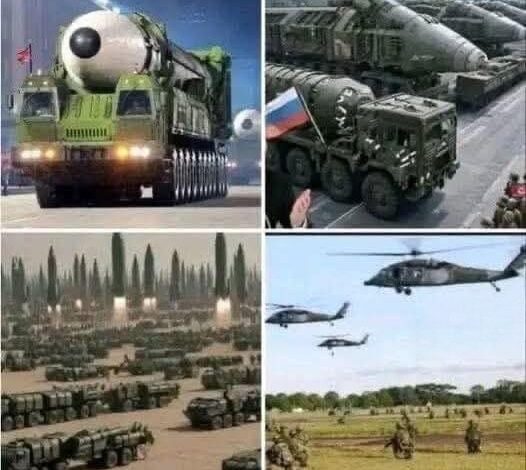
Europe is undergoing a dramatic shift as rising geopolitical tensions force it to rethink its long-standing reliance on peace and diplomacy. Russia’s invasion of Ukraine and changing U.S. priorities have shattered the belief that large-scale war is unlikely, pushing European leaders to urgently rebuild military strength and preparedness. Officials warn that a potential conflict with Russia may no longer be hypothetical, with some estimating a possible threat within five years.
However, a major challenge lies in public reluctance. Surveys show that around 75% of Europeans are unwilling to fight to defend their countries, revealing a serious gap between political strategy and societal readiness. While people are concerned about war, many focus more on economic and energy impacts than direct defense.
Eastern European nations are taking the lead in preparation. Countries like Poland, Finland, and Sweden are strengthening civil defense systems, educating citizens, and improving infrastructure for emergencies. Meanwhile, the EU is investing heavily in defense, with spending exceeding €300 billion and ambitious plans like “Readiness 2030” aiming to improve military mobility and coordination.
Efforts such as “ReArm Europe” seek to unify defense systems and increase efficiency, supported by large financial programs. At the same time, reduced U.S. support is pushing Europe toward greater strategic independence.
Ultimately, Europe faces a race against time to rebuild its defense capabilities before new threats emerge.