Shingles, also known as Herpes zoster, is a common but often misunderstood condition. It’s caused by the Varicella-zoster virus—the same virus responsible for Chickenpox. After chickenpox, the virus stays dormant in the nervous system and can reactivate years later.
Reactivation usually happens when the immune system weakens due to aging, stress, illness, or certain treatments. While it’s more common in people over 50, younger individuals can also develop it.
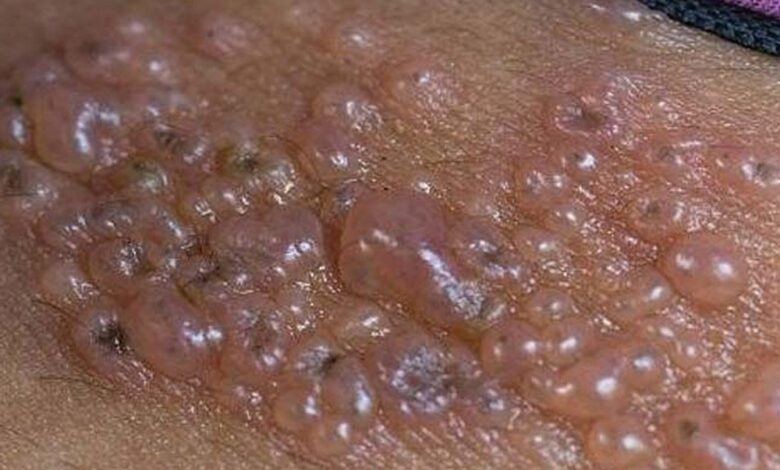
Early symptoms often appear before any rash—such as burning, tingling, or localized pain—making it easy to confuse with other issues. A few days later, a rash develops, typically on one side of the body, following a nerve path. The pain can be intense and sometimes more severe than the rash itself.
With early treatment, especially within 72 hours, antiviral medications can shorten the illness and reduce complications. If untreated, some people develop postherpetic neuralgia, a long-lasting nerve pain that can persist for months or even years.
Shingles itself isn’t directly contagious, but it can spread the virus to someone who hasn’t had chickenpox, causing chickenpox—not shingles.
Prevention is possible. Vaccination is recommended, especially for older adults, to lower the risk and severity.
In short, recognizing early symptoms and acting quickly is key. Shingles is manageable—but only if taken seriously.