What the Veins on Your Hands Might Reveal About Your Kidney Health
 admin52 minutes ago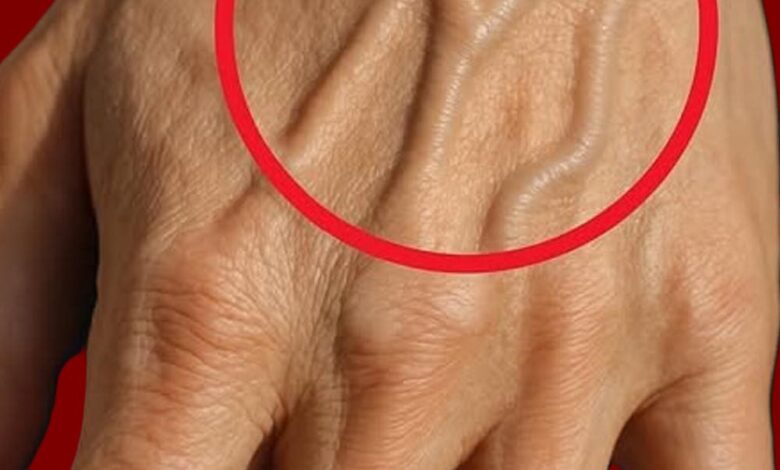
Noticing raised or bluish veins on your hands can be surprising, and some online claims link visible veins to hidden kidney problems. However, science does not support that idea.
In most cases, visible hand veins are completely normal. They often become more noticeable due to aging (as skin thins and loses collagen), low body fat, genetics, exercise, heat, or mild dehydration. As the skin becomes thinner and the fat layer decreases, veins are easier to see — especially in lean individuals and older adults.
Kidney disease affects the body’s ability to filter waste, regulate fluids, control blood pressure, and balance electrolytes. Common symptoms include swelling in the hands, feet, or face, fatigue, changes in urination, foamy urine, high blood pressure, nausea, and shortness of breath. Prominent veins are not considered a symptom.
When kidneys fail to regulate fluids properly, the body typically retains fluid, causing puffiness — not more visible veins. In fact, dehydration can temporarily make veins stand out more, but that alone does not indicate kidney damage.
The only time enlarged veins may relate to kidney disease is in dialysis patients who have a surgically created AV fistula in the arm.
Overall, visible hand veins are usually harmless. True kidney health concerns are best evaluated through blood tests, urine analysis, blood pressure monitoring, and medical consultation.
admin52 minutes ago